Traditional use
For well over a century the leaves of matico have been brewed for the stomach and laid on wounds, first by the indigenous peoples of Chile and today by much of rural and urban Chile.
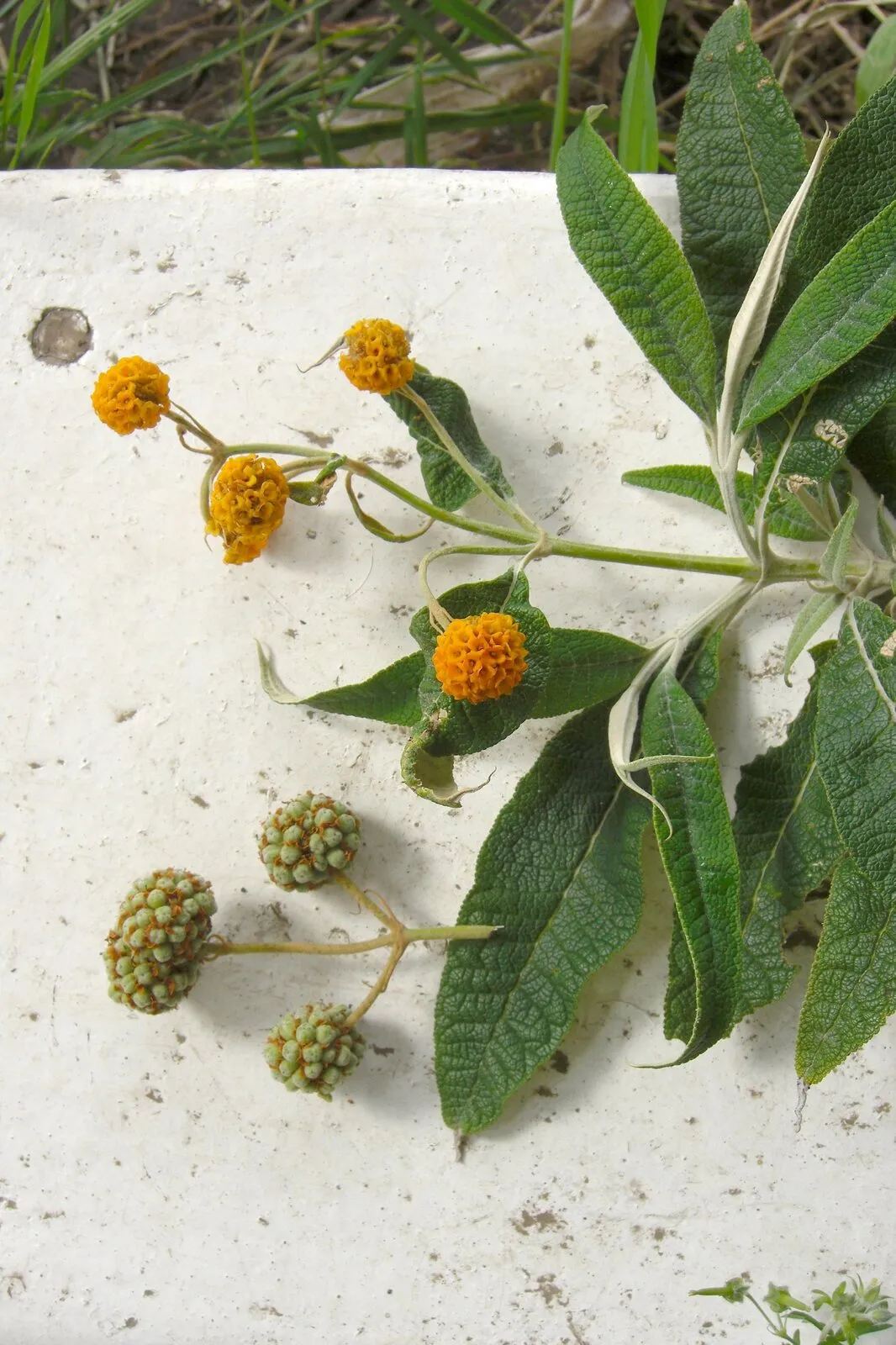
This page reports how people have used the plant and what the Chilean authorities recognise. It is not medical advice. Open wounds, ulcers and persistent stomach pain need a doctor.
Who uses it
Matico belongs to the medicine of the indigenous peoples of Chile. The Mapuche of south-central Chile call it pañil and gather it systematically to treat wounds and inflammation. It is also used by the Diaguita of northern Chile, by Aymara communities, and by rural and urban Chileans without indigenous affiliation (Fuentes-Barros et al. 2026). Together with boldo and bailahuén it is one of the three most widely used native medicinal plants in Chile, and surveys of older adults attending primary health care centres find it among the plants they most often prescribe for themselves (Becerra et al. 2026). Many families simply keep a bush in the garden.
The written record is long. The leaves were included in the first Chilean pharmacopoeia in 1886, and a 1923 account already describes the plant as one of the most effective remedies for the repair of damaged tissue (Fuentes-Barros et al. 2026). The 2003 review by Houghton gives a good summary of the earlier literature (Houghton 2003).
Which parts, which preparations
The leaves are the medicine. The stems are sometimes added, although laboratory tests find them more toxic than the leaves. The usual preparations are:
- Infusion or decoction, drunk for stomach complaints, or used to wash wounds.
- Powdered dry leaf, sprinkled directly on sores and skin lesions.
- Compresses and poultices of the fresh or boiled leaves, applied to bruises, swellings and wounds.
- Tinctures and ointments, mostly in commercial products.
For the skin
This is the oldest and most widespread use, and the one the indigenous peoples prefer. Fresh or boiled leaves are laid on wounds, cuts, ulcers, burns and sores; the decoction is used to wash them; the dry powder is sprinkled on weeping lesions; compresses go on bruises, swellings and haematomas. A 1923 account calls matico one of the most effective remedies for the repair of damaged tissue, and the plant is still the first thing many Chilean households use on a scraped knee. The science page describes what laboratory and clinical studies have found about this use.
For the stomach
The second great use is internal. A tea of the dried leaves, usually a teaspoon per cup, is drunk for gastric ulcers, gastritis, indigestion and stomach pain, and also for chronic diarrhoea, intestinal inflammation and liver complaints. In Chile this is the matico most people know: the sachets sold in every supermarket are for the stomach. The research on this use is thinner than for the skin, and the science page says what exists.
Other uses
- Other uses reported in ethnobotanical surveys include toothache, where people in central Chile rinse the mouth with the infusion before they can see a dentist (Davis-Toledo et al. 2018), respiratory symptoms during the COVID-19 pandemic in Peru (Legua Cárdenas et al. 2022), candidiasis in a Peruvian community, and skin conditions in coastal Ecuador.
What Chile recognises officially
Dried, packaged matico leaf can be sold in Chile as a medicamento herbario tradicional, a traditional herbal medicine, because the species appears on the Ministry of Health’s list of 2007 (Exempt Resolution 522). The recognised uses of the aqueous preparation are: internally for digestive ulcers, indigestion, stomach pain and liver dysfunction; externally as a wound remedy with healing and antiseptic action, and as a compress for bruises and haematomas (Fuentes-Barros et al. 2026). Infusion bags are sold as food. A handful of registered medicines based on matico extracts, mostly drops and ointments, date from 1988 to 1991, and a standardised ethanolic extract called BG-126 has been patented for gastric complaints.
Beyond medicines there are matico creams and soaps, nappy-rash and facial products, and several veterinary wound sprays for dogs and horses. No public figures exist for the quantities traded, and the plant does not appear in export statistics, so use is overwhelmingly domestic.
Honey and bees
The honey scent is not just for people. Bees work the flower heads in late spring, and matico pollen and leaf fragments turn up in Chilean propolis, where they serve as markers of the plants bees have visited (Montenegro et al. 2000).
Quality
Because the leaf has mostly been wild-gathered, the quality of what is sold varies a great deal. A check of commercial samples labelled pañil or matico found that not everything sold under the name was the plant, and later work has proposed verbascoside, the main phenylethanoid glycoside of the leaf, as the marker for standardising extracts (Romio et al. 2007; Barra 2009). Whether the leaf is dried gently matters too: drying at 45 °C instead of cool air removes about two thirds of the flavonoids (Hevia et al. 2006).